Treatment Programs
Medical Detox
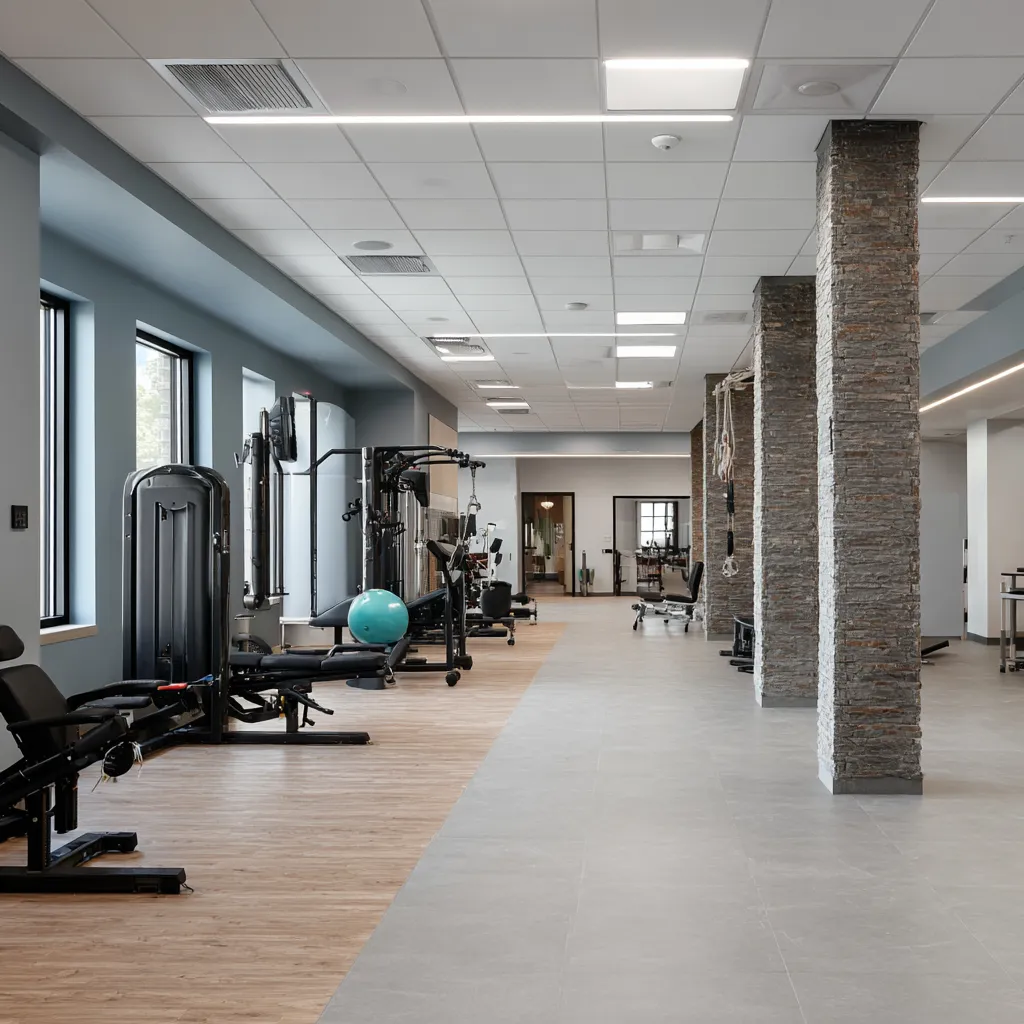
When someone arrives at YRT Rehab in crisis, our medical detox program is the first point of stabilization. Our physicians and nursing staff provide 24/7 monitoring, using medication-assisted treatment (MAT) to manage withdrawal symptoms safely and reduce physical distress. Detox typically lasts three to seven days, depending on the substance and the severity of dependence.
We understand that detox is often the most frightening step. Our team moves quickly to bring comfort and predictability to what feels like an overwhelming situation. Vital signs are monitored continuously, medications are adjusted in real time, and a counselor checks in daily to begin building the therapeutic relationship that will carry through the rest of treatment.
Our goal during detox is straightforward: bring you from crisis to stability as safely and humanely as possible, so you are ready to engage fully in the next phase of care.
Substances We Treat
- Alcohol
- Opioids
- Crack Cocaine
- Methamphetamine
- Marijuana
- Barbiturates
- Inhalants
- GHB
- Heroin
Residential Treatment
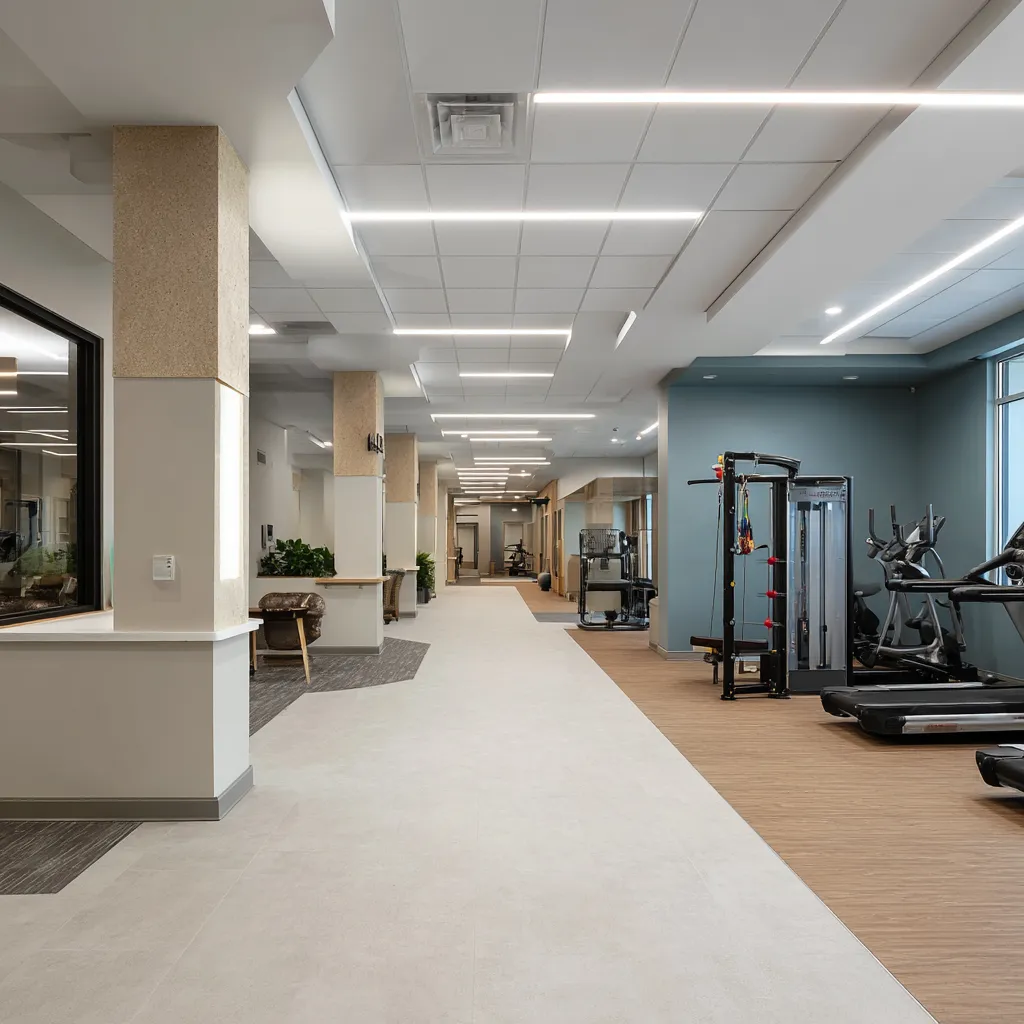
Our residential program is where stabilization becomes transformation. Over 30 to 90 days, patients live on-site in semi-private rooms and follow a structured daily routine designed to rebuild the habits, coping mechanisms, and physical health that addiction eroded.
Each patient receives an individualized treatment plan that combines Cognitive Behavioral Therapy, individual counseling, group therapy, and experiential modalities like music therapy and art therapy. Our early-riser outdoor schedule takes advantage of Tracy's natural surroundings — mornings begin with nature walks and outdoor fitness before transitioning to clinical sessions.
Residential treatment at YRT Rehab is not about waiting out the clock. It is about actively constructing a new daily architecture — one built on accountability, peer connection, and the mind-body practices that sustain long-term sobriety.
Daily Schedule
| Time | Activity |
|---|---|
| 6:30 AM | Wake-Up & Morning Mindfulness |
| 7:00 AM | Nature Walk (Outdoor Trails) |
| 7:45 AM | Breakfast (Farm-to-Table Kitchen) |
| 8:30 AM | Outdoor Fitness & Stretching |
| 9:30 AM | Individual Counseling / Clinical Sessions |
| 11:00 AM | Group Therapy (CBT / ACT Focus) |
| 12:00 PM | Lunch |
| 1:00 PM | Experiential Therapy (Music / Art) |
| 2:30 PM | Psychoeducation Workshop |
| 3:30 PM | Recreation & Free Time |
| 4:30 PM | Peer Accountability Circle |
| 5:30 PM | Dinner |
| 6:30 PM | Evening Meditation (Meditation Garden) |
| 7:30 PM | Journaling & Reflection |
| 8:30 PM | Free Time / Chapel Access |
| 10:00 PM | Lights Out |
Outpatient Program
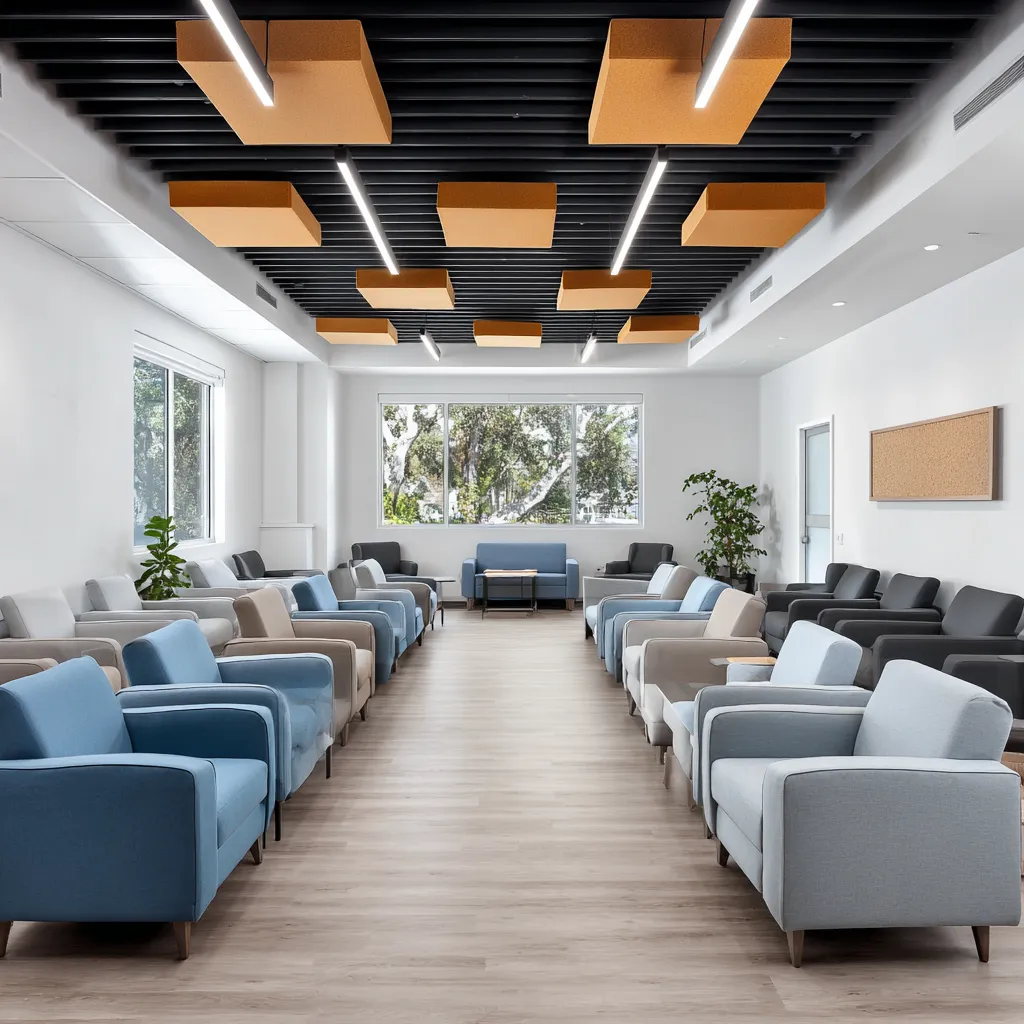
Our outpatient program serves patients who have completed residential treatment or whose clinical assessment indicates they can benefit from structured therapy while living at home. Sessions meet three to five days per week and include individual counseling, group therapy, and relapse prevention planning.
The Intensive Outpatient Program (IOP) offers a higher level of engagement — nine or more hours of clinical programming per week — for patients who need continued support during the transition back to work, school, or family life in Tracy. Both tracks maintain the peer accountability model that defines our approach, ensuring patients stay connected to a recovery community even as they reintegrate into their daily routines.
Dual Diagnosis
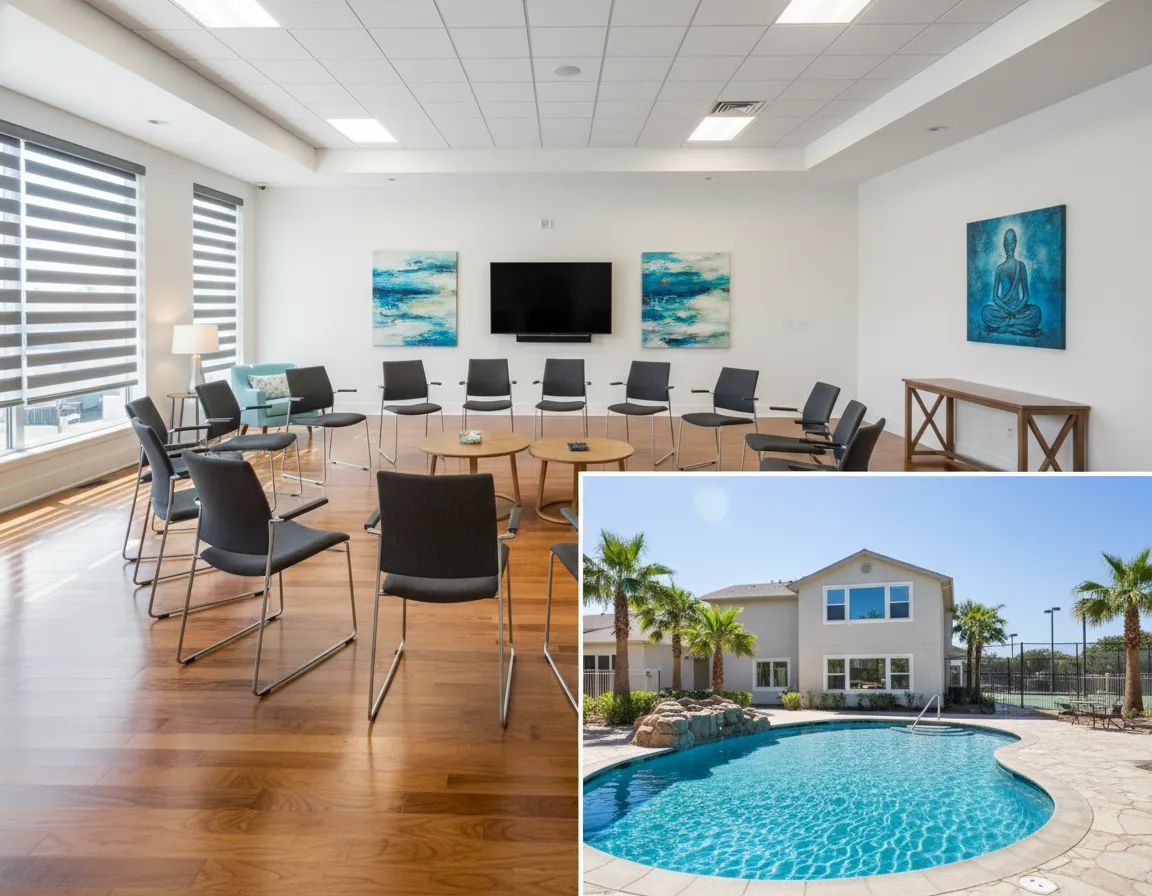
For many patients, substance use disorder does not exist in isolation. Depression, anxiety, PTSD, bipolar disorder, and other mental health conditions frequently co-occur with addiction — and treating one without the other leaves the root cause unaddressed.
Our dual diagnosis program assigns a single, integrated care team to each patient. Psychiatrists, therapists, and counselors collaborate on a unified treatment plan that addresses both the substance use disorder and the co-occurring condition simultaneously. This approach eliminates the fragmented care that causes so many patients to cycle through treatment programs without lasting results.
Using CBT, ACT, individual counseling, and psychiatric medication management as needed, we help patients understand the relationship between their mental health and their substance use — and develop strategies that address both for sustained stability.
Treatment Modalities
- Cognitive Behavioral Therapy (CBT)
- Individual Counseling
- Group Therapy
- Acceptance and Commitment Therapy (ACT)
- Music Therapy
- Experiential Therapy
- Art Therapy
Amenities
- Chapel / Interfaith Space
- Walking Trails
- Meditation Garden
- Semi-Private Rooms
- Animal-Assisted Therapy Area
- Farm-to-Table Kitchen
- Recreation Room